
Own the Core. Rent the Peaks.
By Used&New Tractors and Equipments Editorial Team • Updated
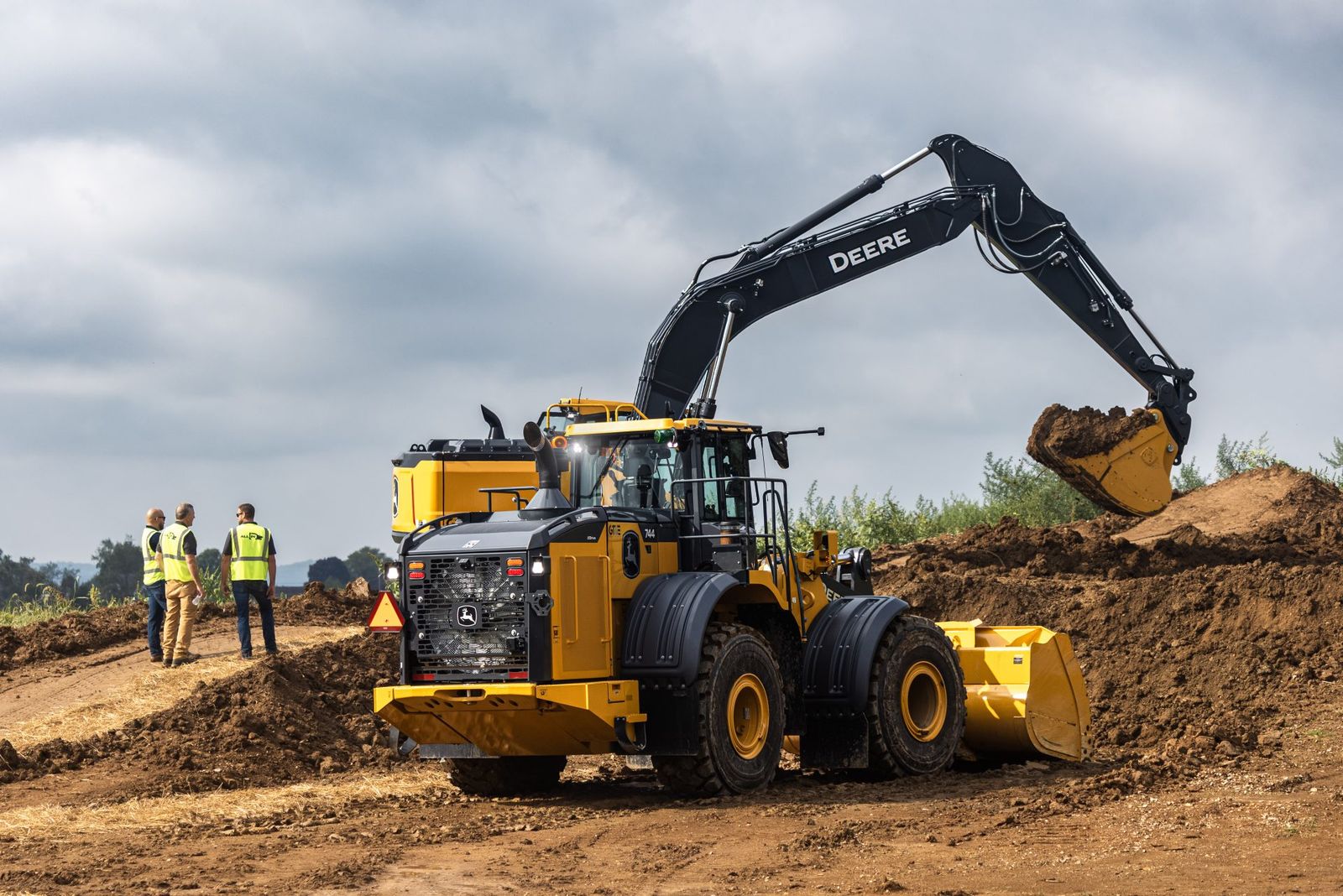
Own the Core. Rent the Peaks.
Own the Core. Rent the Peaks.
Rental has changed significantly over the 20+ years I have been in the equipment business.
There was a time when rental was often viewed simply as a way to get a machine when you didn’t have one.
Today, I believe many contractors have a much better understanding of the strategic value rental can bring to their business.
It provides flexibility.
The ability to get the right machine at the right time. Size up or size down as conditions change. Take on additional work without immediately making a long-term capital commitment. And when the work is complete, return the machine.
But I believe the real opportunity is when contractors stop looking at rental and ownership as an either/or decision and start looking at both as part of an overall fleet strategy.
My philosophy is fairly simple:
Own the core. Rent the peaks. Use rental and RPO tools to help determine what should become core.
For contractors here in Pennsylvania, my experience has been that if a machine is consistently running around 1,200 hours or more annually and supports the core work of the business, there can be a strong case for ownership.
But don’t guess.
Use the data.
Telematics can help us understand how the existing fleet is actually being utilized. Is the core fleet truly maxed out? Are machines sitting? What is the idle time? What are we spending on maintenance? Downtime? Transportation?
Before adding another machine, understand what the machines you already own are telling you.
If your core fleet is being utilized effectively and additional work creates demand beyond its capacity, rental becomes a powerful way to flex up.
And if that demand begins looking less like a temporary peak and more like part of the core business, that’s where an RPO can become valuable.
Put the machine to work. Build rental equity where the program allows it. Watch utilization. Watch the backlog. Then make the decision.
Let the work help tell you when the machine has earned a permanent place in the fleet.
There is another part of rental that I believe sometimes gets overlooked: uptime and risk.
There may not be an uptime guarantee written into every rental agreement, but there is a very real economic incentive behind it.
If the rental company wants to collect rent, the machine needs to be working.
That means the rental provider has a vested interest in keeping that machine productive. If something happens, it becomes our responsibility to repair it or find another solution.
That has real value.
Owning equipment can also mean owning the infrastructure required to support it: skilled technicians, service vehicles, tooling, parts, maintenance management and the ability to respond when something goes down.
And skilled technicians aren’t getting any easier to find.
A strong rental partner allows a contractor to shift some of that responsibility and risk onto the equipment provider and focus their resources on what they do best.
As contractors grow, they also have to determine where the next dollar should be invested.
Equipment?
People?
Technology?
New territories?
Maintenance capabilities?
Working capital?
There isn’t one answer, and there shouldn’t be.
Sometimes the right CapEx decision absolutely is another piece of equipment.
Sometimes it isn’t.
Rental can be one of the tools that helps a contractor determine when that investment makes sense.
The complexity of our customers’ businesses never ceases to amaze me, and I would never suggest that I have all the answers. Every contractor has a different business model, market, risk profile and growth strategy.
But the advice I continue to come back to is this:
Use the tools available to you and control what is controllable.
Understand your fleet. Understand your core. Understand utilization, downtime, maintenance expense and transportation costs. Then make an informed decision about where your capital can generate the greatest return for your business.
Our role as an equipment dealer should be to help provide the information, equipment, technology, service and options that allow our customers to make those decisions.
Sometimes that means selling a machine.
Sometimes that means renting one.
Sometimes it means telling a customer they may not need another machine at all.
The transaction isn’t the goal. The financial health and long-term success of our customers is.
And we take that responsibility seriously.
Matthew Pixler | Chief Revenue Officer | UNT&E
Categories
Categories Select Category Archived Best Practices CBI Events Hamm Informational John Deere Kleemann News Press Release Promotions Uncategorized Wirtgen
Popular Posts
Questions about this topic?
Speak with a Pennsylvania equipment specialist. Same-business-day response Monday through Friday.